
Txalaparta
Txalaparta, isiltasun baten oihartzuna da, adierazkor bihurtu den isiltasuna: ibarraren bakartasuna bapatean zaldi bakartiaren lauhazkak zilatua, isiltasuna eta sosegua adierazkor bihurtzen dira.
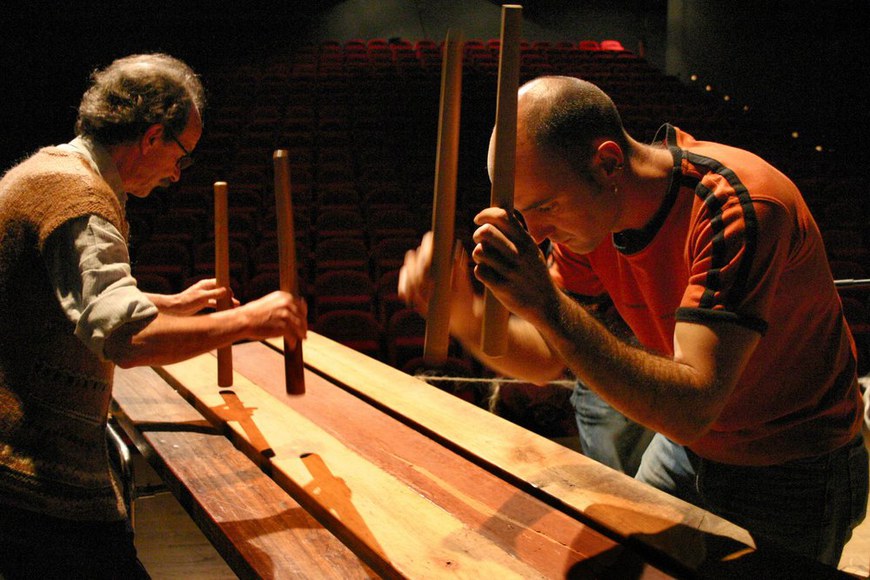
Tresna emea da, bainan arra bere kantua : bertikaltasunak horizontalsuna jotzen ; higidurak gelditasuna igarotzen ; arra eta emea elkartzen ; euriak lur idorrari bizia ematen ; denborak lekua hartzen : txalaparta. Ttukun, ttukun, ttukun kun, kun ttukun tturrukuttun.
Bere erritmoa nagusiki zaldiaren lauhazkarena da, eta txalapartariak erritmo honen hastapeneko kadentzia bere bihotzaren taupadetatik ateratzen du. Edozein zaldiren lauhazka baino, txalapartak zaldia-ren lauhazka ordezkatu nahi du - zaldi-ereduarena -, espazioaren jeinua ; aurrehistoriako tindatzailearen gaia den zaldia, Santimamiñen, Altamiran edo Ekainen ; dantzariaren gaia Zuberoan, Berrizen edo Iruñean : edo irrintzilariarena, irrintzia oihukatzen duenarena Txalapartak espazioan bizi den zaldi ibilkaria ordezkatzen du Edo behar ba denboran bizi den zuhaitz geldia, zuhaitz hila, airean etzana, jokalarien kolpeek zuzpertarazi nahi dutena, adar berriak erantsiz ?
Enbor bat, lau makila, bi jokalari. Bat, lau, bi. Bainan badago beti hirugarren bat, mutua, soinu guziak zuzentzen dituena ; geldia, higidura osoa eragiten duena : "tturrukuttun", txalaparta ohituraren oinarria. Tturrukuttun, horrek ezartzen du bi jokalarien arteko lotura ; horren bitartez elkar mintzo dira ; horren inguruan ari dira ; hortik joan eta horretarat itzultzen dira, tturrukuttun.
Txalaparta, bat-batekotasuna da. Gai zaharraren errotik kantu berriak sortzen dira, beti berriak eta beti berdingabeak, jokalariek ezin baitute berriz eman. "Gauza guziek mintzatzen zekiten denboran" (esaerak dion bezala), gizakiak gauza guzien hizkuntza ulertzen zuenean, ez zegoen txalaparta jo beharrik (ezta ere tindatu, dantzatu edo irrintziak bota beharrik), gauza guziekin bat egiten bait zuen, ez bait zegoen hutsunerik giza eta izadiaren artean.
Orduan txalapartariak batasun galdu hau berriz bilatzen du zuhaitza jotzen duenean zaldia ordezkatuz, eta zaldia ordezkatzean nolazpait zaldia bihurtzen da Gaur egun gauzek mintzatzen ez dakite Edo beharba gauzek erraten dutena gizakiak ez du ulertzen ?
JoseAnton ARTZE txalapartalariaren lekukotasuna
Osagaiak
- Juan-Mari Beltran musikariaren lekukotasuna
- Josean Artze-ren lekukotasuna
- Txalaparta: musika praktika baten ikerketa kritikoa
2020ko urtarrilaren 23an, Baionako Euskal museoan, Euskal etnopoloaren mintegiaren baitan, Argibel Euba Ugarte-k eman zuen hitzaldiaren bideoa.
Ikus ere
- Ziburuko txalaparta taldeak lagundu gaitu gai hori jorratzen.
- "Txa" elkartea (txalapartari buruzko formakuntzak eta tailerrak)
Eskuragarri
"Txalaparta, euskal kuturaren taupada"
Euskal kultur erakundearen "Leihotik" aldizkariaren 25.alea - Txalapartari buruzko txostena (2002ko ekaina - 788 Ko)
Irakurtzekoa
- "Txalaparta", Josu GOIRI - Collection Episode, Ed. du Non Verbal, 1996.
- "Txalaparta eta beste aldaera zaharrak", Juan-Mari BELTRAN - ISBN 84-88917-14-7
- "Txalaparta", Juan-Mari BELTRAN, Editorial Nerea, 2009
 Iparraldeko kantua eta musika munduko eragileen errepertorioa kategoriatan sailkatuak (taldeak, kantariak, programatzaileak, formatzaileak, baliabide zentroak...)


